
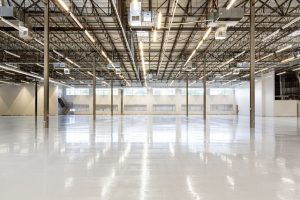
Industrial floor cleaning in a warehouse is way different from mopping your kitchen. Your warehouse floor deals with forklifts, heavy machinery, dirt, dust, tire marks, and all kinds of contaminants that pile up fast. The right cleaning approach keeps your team safe, protects your equipment, and maintains a professional facility.
Let’s walk through what actually works for warehouse floor cleaning and why it matters.
What Industrial Warehouse Floor Cleaning Involves
When you’re cleaning a warehouse floor at scale, you’re not just sweeping. You’re removing layers of dirt, dust, rubber marks from tires, and debris that gets ground into the concrete.
The process combines two key steps: sweeping first to remove loose debris, then scrubbing with industrial-grade equipment to clean the actual floor surface. This two-part approach is essential because sweeping alone leaves behind dirt embedded in the concrete, and scrubbing without sweeping first wastes time and chemicals.
Industrial floor scrubbers do the heavy lifting. These machines apply pressure and cleaning solution to break down stubborn grime, then vacuum up the dirty water in one pass. That’s what separates professional warehouse cleaning from basic janitorial work.
Choosing the Right Equipment for Your Warehouse
Not all floor scrubbers are built the same. For warehouses, equipment selection depends on your specific conditions: how much forklift traffic you have, the size of your floor, dust levels, and how dirty things typically get.
Look for machines with durable construction designed to handle harsh, high-traffic environments. Tank capacity matters too. A larger tank means fewer stops to refill and better efficiency across expansive warehouse spaces. Down-pressure (the force the machine applies to the floor) should be strong enough to handle heavy soil loads without damaging your concrete.
If you’re managing a large warehouse and equipment is a concern, Guso Janitorial Services LLC brings professional-grade machinery and handles the cleaning without you managing equipment maintenance or replacement.
Related: Commercial Cleaning Services in Kennesaw GA: What You Need to Know
How Forklift Traffic Affects Cleaning Frequency
Warehouses with heavy forklift activity get dirty faster. Every time a forklift moves, it leaves tire marks, compresses dirt into the concrete, and stirs up dust.
High-traffic areas need more frequent cleaning, sometimes weekly or even more often depending on your operations. Lower-traffic zones might get by with monthly deep cleans. The key is honest assessment: walk your floor and see where grime builds up fastest.
Rubber marks from tires are stubborn. Regular scrubbing prevents them from becoming permanent stains. Letting them sit for weeks or months makes them much harder to remove.
Managing Dust in Your Warehouse Environment
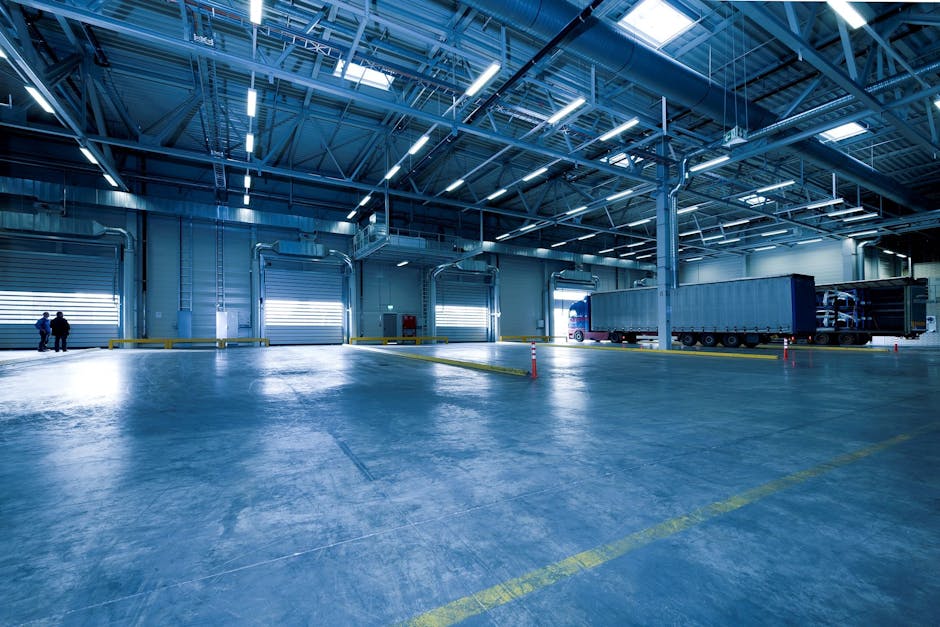
Dust isn’t just an annoyance. It affects air quality, settles on products, and gets tracked throughout your facility. Different warehouses generate different dust levels depending on what you store and how items move through the space.
When you’re cleaning, dust management is critical. Sweeping before scrubbing captures loose particles. Proper ventilation while cleaning helps dust settle rather than float. Some warehouses benefit from occasional damp sweeping to control airborne particles before they spread.
A comprehensive cleaning strategy tackles dust at the source, not just what’s visible on the floor.
Creating a Warehouse Cleaning Schedule That Works
One-size-fits-all cleaning doesn’t cut it in industrial spaces. Your warehouse is unique, and your cleaning schedule should reflect that.
Start by assessing your needs: foot traffic volume, forklift activity, storage types, and safety requirements. A high-volume distribution center needs different frequency than a storage-focused warehouse. Some facilities operate 24/7, which means cleaning has to fit around operations.
Most warehouses benefit from scheduled deep cleans combined with regular touch-ups. Deep cleaning removes buildup and addresses areas that routine cleaning misses. Touch-ups maintain standards between deep cleans.
Building a reliable cleaning program that adapts to your specific warehouse conditions is where professional expertise helps. Guso Janitorial Services LLC works with warehouse operators throughout the Metro Atlanta area to create customized, recurring cleaning programs that keep floors clean and safe without disrupting your operations.
Related: Post Construction Cleanup Metro Atlanta: Complete Guide
Safety Considerations During Warehouse Floor Cleaning
Wet floors create hazards. When you’re scrubbing a warehouse, you need strategies to protect your team and anyone moving through the space.
Proper signage and barriers keep people away from wet areas during cleaning. Timing matters too. Cleaning during slower periods minimizes foot traffic and forklift movement. Some facilities schedule cleaning during night shifts or scheduled downtime.
Ventilation is also a safety issue. Industrial floor cleaners can produce fumes or aerosols, especially in enclosed spaces. Good airflow keeps the environment safe for your team and anyone in the facility.
Professional cleaners understand these safety requirements and manage the process to protect everyone on site.
Efficiency Tips for Large Warehouse Spaces
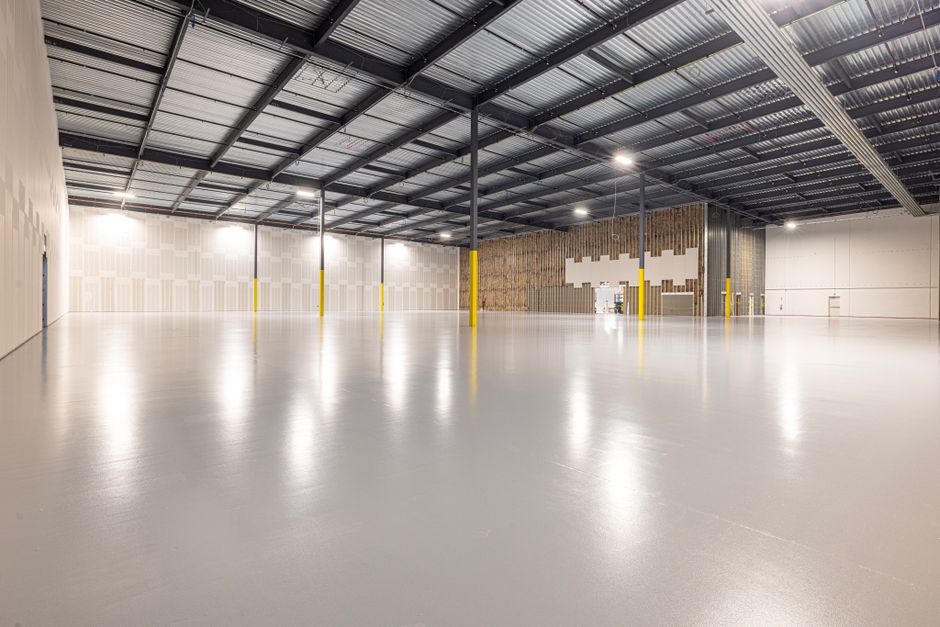
Cleaning a massive warehouse is different from cleaning a small space. Efficiency is about strategy, not just speed.
Start from the back and work toward the exits so you don’t trap yourself or block access. Plan your route to minimize backtracking. Group similar tasks together: sweep everything first, then scrub everything. This rhythm keeps you focused and speeds up the process.
Use equipment that matches your space. A walk-behind scrubber works fine for smaller areas, but a ride-on scrubber saves tremendous time in larger warehouses. Tank capacity and cleaning path width directly impact how quickly you can cover ground.
If managing this in-house feels overwhelming, professional cleaners bring efficiency and expertise. They know how to tackle large facilities systematically, and they handle all the equipment and chemicals. That frees you to focus on running your warehouse.
Combining Professional Help With Your Own Efforts
Many warehouses use a hybrid approach: professional deep cleans on a scheduled basis, plus in-house maintenance cleaning between visits. This keeps costs reasonable while maintaining standards.
Decide what you can realistically handle internally and where professional support makes sense. High-traffic areas, for example, often benefit from professional attention due to the stubborn buildup. Maintenance areas between deep cleans might work fine with your team’s effort.
Talk to experienced cleaners about what’s realistic for your facility size and budget. When you’re ready to explore professional options for your warehouse, Guso Janitorial Services LLC offers industrial cleaning services designed around warehouse-specific needs, available around your schedule.
How often should you clean a warehouse floor?
It depends on traffic and operations. High-traffic warehouses with forklifts running constantly often need weekly or even more frequent deep cleans, with touch-ups in between. Lower-traffic facilities might do well with monthly deep cleaning. Check your floor regularly and adjust frequency based on visible buildup and safety needs.
What’s the best time to clean a warehouse floor?
Choose times when forklift and foot traffic are lightest. Many warehouses schedule cleaning during night shifts, early mornings before operations start, or scheduled downtime. Some facilities close off sections during cleaning to maintain safety. Work with your operations schedule to find timing that minimizes disruption.
Can you remove tire marks from warehouse concrete?
Yes, but it depends on how long they’ve been there. Fresh marks come off more easily with industrial scrubbing. Marks that have sat for weeks or months become harder to remove because the rubber stains deeper into the concrete. Regular cleaning prevents permanent-looking marks. Stubborn old marks sometimes require specialized treatments or burnishing, so addressing tire marks promptly makes a huge difference.
Do you need special chemicals for warehouse floor cleaning?
Industrial-strength cleaners designed for concrete work better than basic household products. These formulas break down grease, oil, and stubborn grime more effectively. The type of chemical depends on what you’re cleaning off: oil stains, rubber marks, and general dirt often need different approaches. Using the right cleaner for your specific warehouse conditions prevents floor damage and improves results.
[…] Related: Industrial Floor Cleaning Warehouse: Complete Guide […]